
THE DUFTON HOARDE
A site-based work and artist-led Museum of Rural Memory
Where landscape, material and absence share a room.
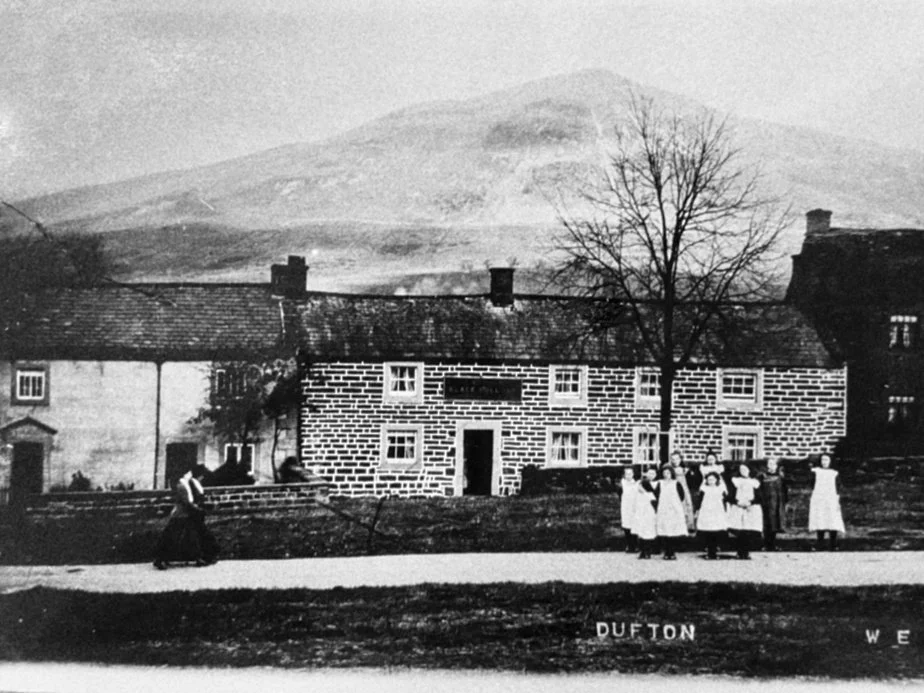
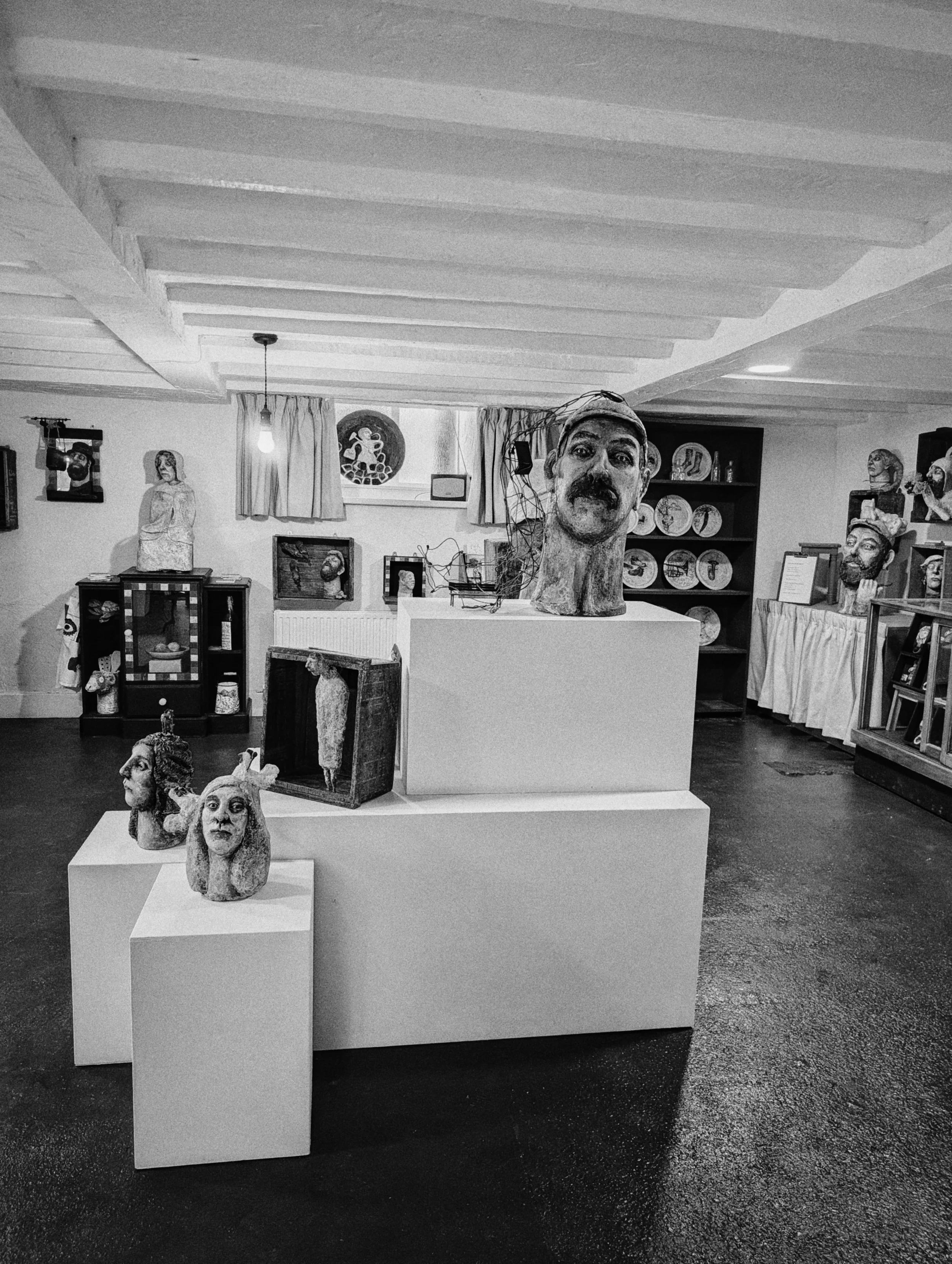
The Dufton Hoarde is a site-based work by Dawn Hurton, installed in part of the former Black Bull Inn in Dufton, Cumbria.
It contains hand-formed sculpture, fragment texts, Public Registers, moving image, labels, notices and the administrative structures of an imagined museum.
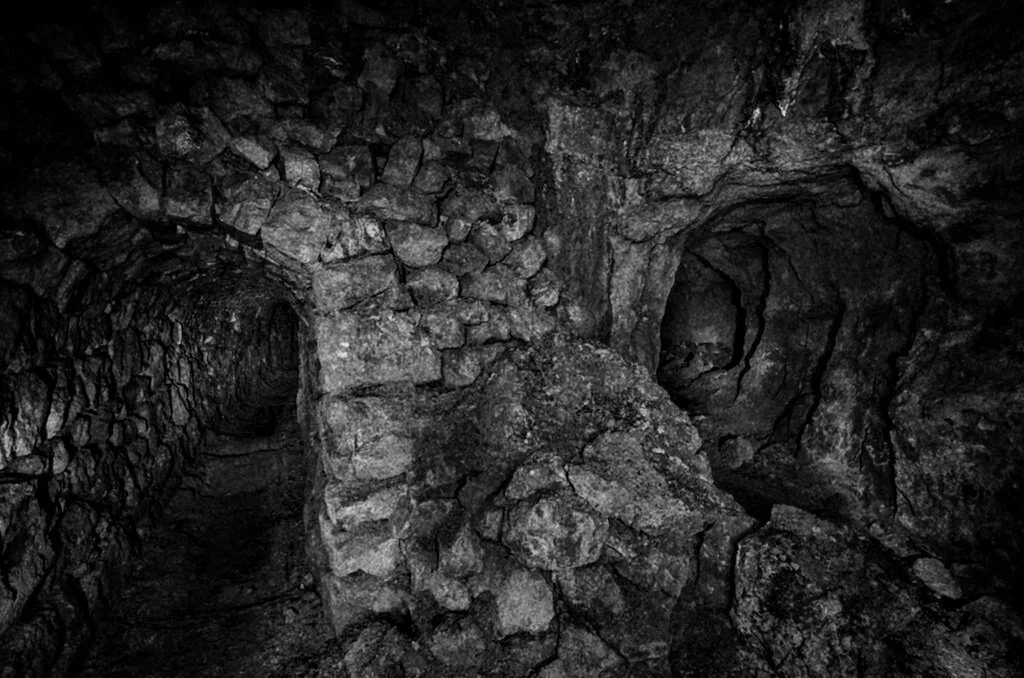
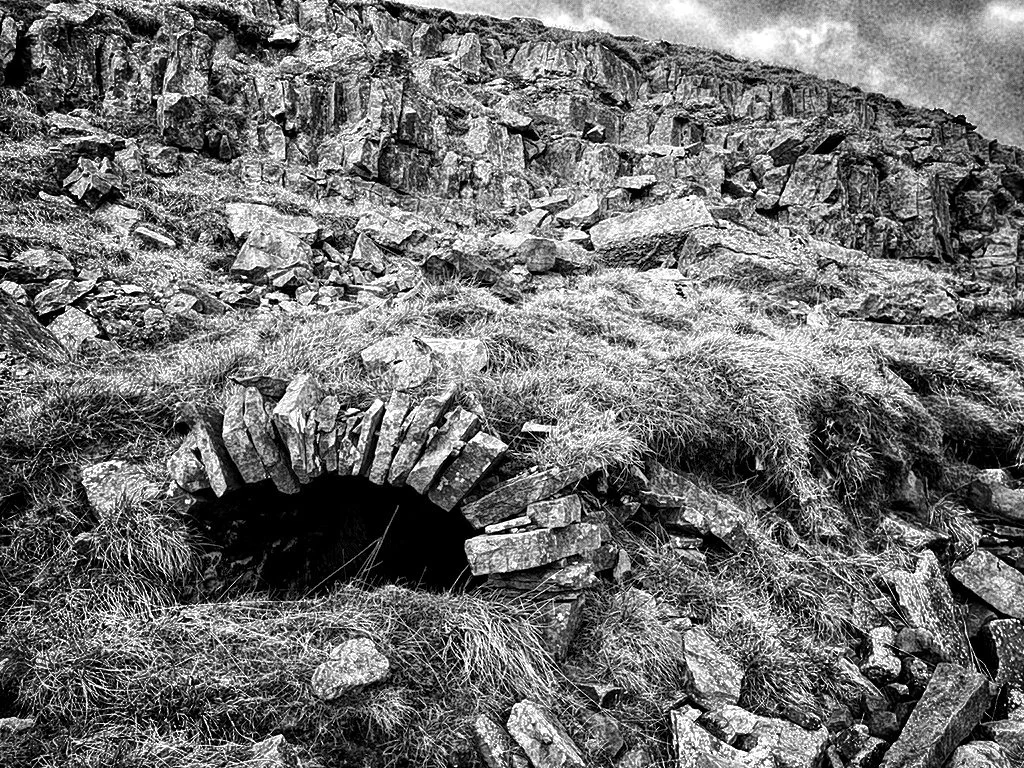
The work is rooted in the lead-mining villages and worked landscape of Dufton, Knock, Hilton and Murton. It has developed through sustained making, walking, reading and observation.
The Hoarde does not present original historical artefacts or claim to reconstruct a lost tradition. Instead, it builds a museum around forms of knowledge that remain partial, embodied or difficult to secure: knowledge carried through labour, material, repetition, recollection and close attention to place.
Its records move between observation, speculation and institutional procedure. The distinction is not always resolved.
THE COLLECTION
The collection is formed from sculpture and text.
The figures do not reconstruct particular historical people. They occupy the museum as presences: made objects around which fragments, classifications and uncertain histories gather.
The fragment texts are a second body of work. Names, weather, labour, departure, illness, domestic work and landscape appear in incomplete records that never settle into one definitive account.
Visitors assemble their understanding through what is shown, what is written and what remains absent.
MATERIAL AND LANDSCAPE
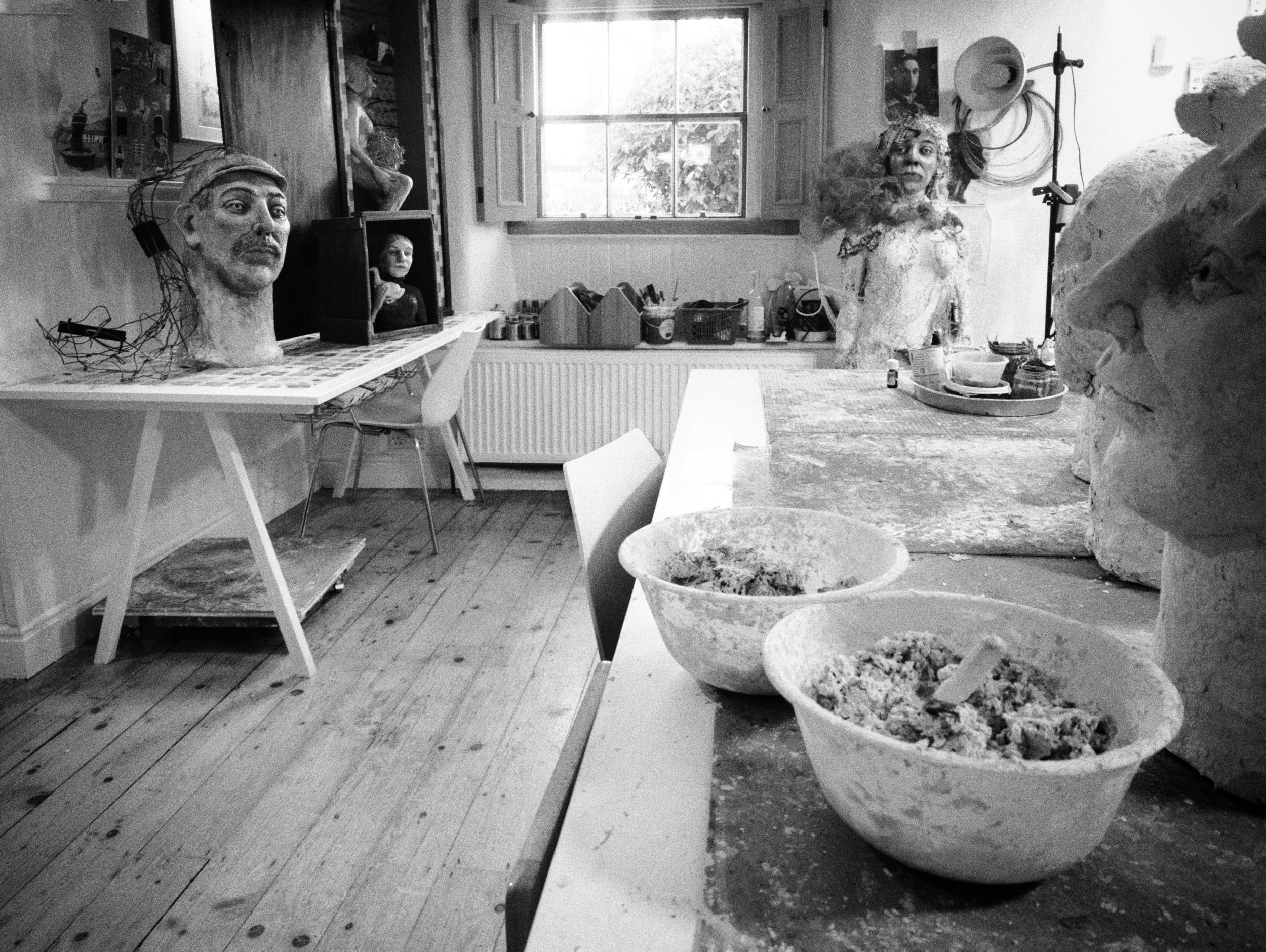
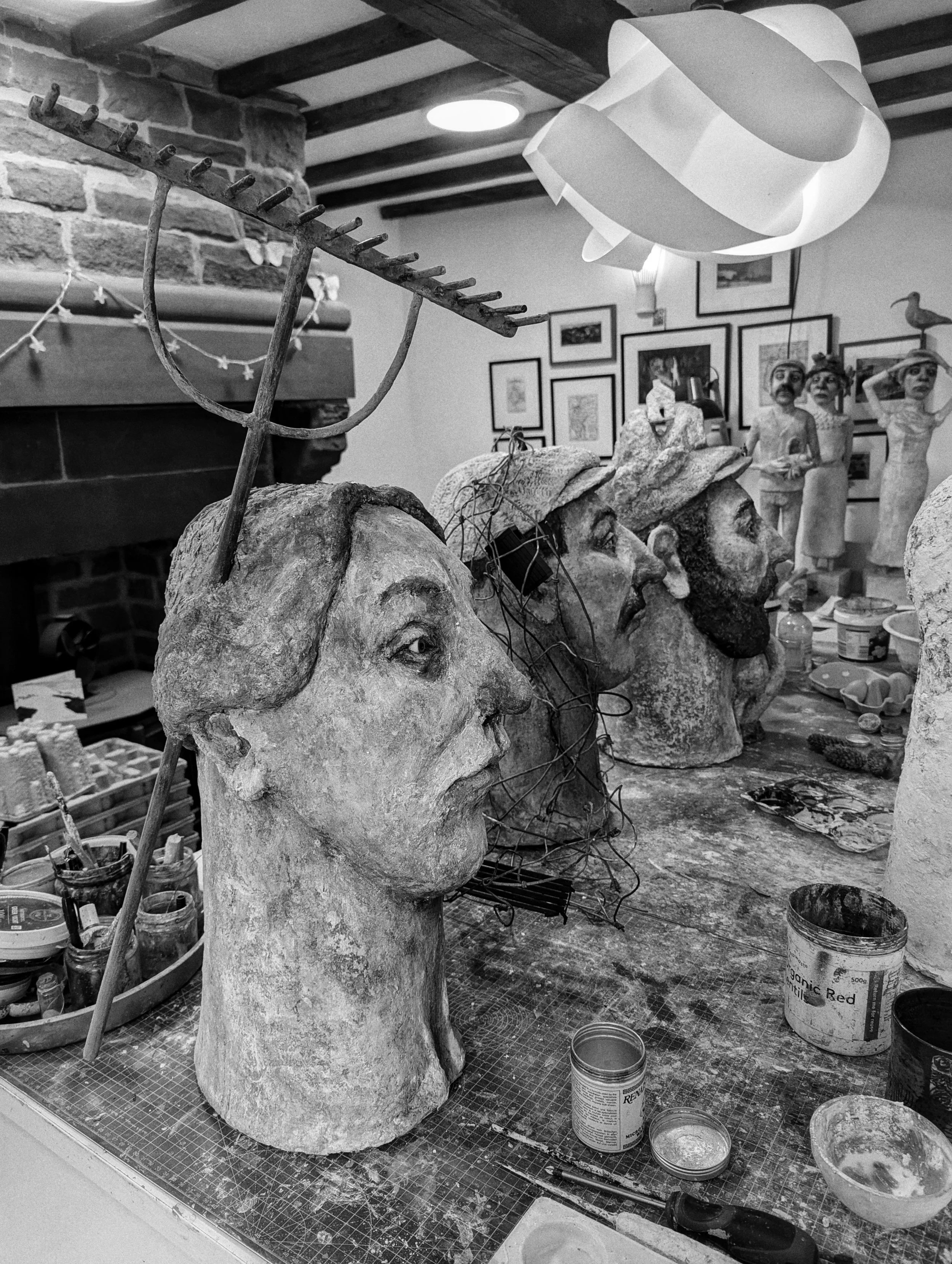
The sculptures are made from materials held close to the landscape and to domestic labour: rag pulp, linen and cotton fibre, plant material, sheep wool, pony hair, earth pigment, limestone dust and barytes gathered from the former lead-mining ground.
The material is mixed, pressed, dried, warped, cut, scored and handled again.
Making is a way of investigating rather than illustrating the place. Weight, fracture, fibre, stain and resistance become forms of knowledge.
The figures feel old without pretending to be archaeological objects. Their surfaces retain the processes through which they were made.
THE PUBLIC REGISTERS
The Public Registers hold the fragment texts through which the Hoarde is recorded.
Entries are numbered, classified, amended and sometimes held open. A person may be confirmed while a place remains unverified. A description may change while the object does not. Missing things can remain present within the record.
The institutional system is part of the artwork.
Through catalogues, condition reports, accession language and incomplete classifications, the Hoarde considers how museums produce authority and what happens when their systems are asked to hold knowledge that cannot be fully proved, settled or contained.
The humour is restrained. The uncertainty is real.

THE KEEPER'S ROOM
The Keeper's Room is both the entrance to the museum and the artist's working room.
Registers can be consulted. Fragments are wrapped, handled and returned. Materials wait on the table. Records remain under observation.
The room is a threshold between the making of the work and the institution that has grown around it.
The Keeper's film introduces the practice from which the Hoarde emerged: walking, gathering material, reading, making, looking again and noticing the gestures that continued to return.
ENCOUNTERING THE HOARDE
The Dufton Hoarde is encountered in person through timed visits and small-group bookings.
The rooms are intimate and visits are deliberately limited. Time is allowed for looking, reading and consulting the Public Registers.
ENTER SLOWLY. THE RECORD REMAINS OPEN..