
THE DUFTON HOARDE
A site-based work and artist-led Museum of Rural Memory
Where landscape, material and absence share a room.
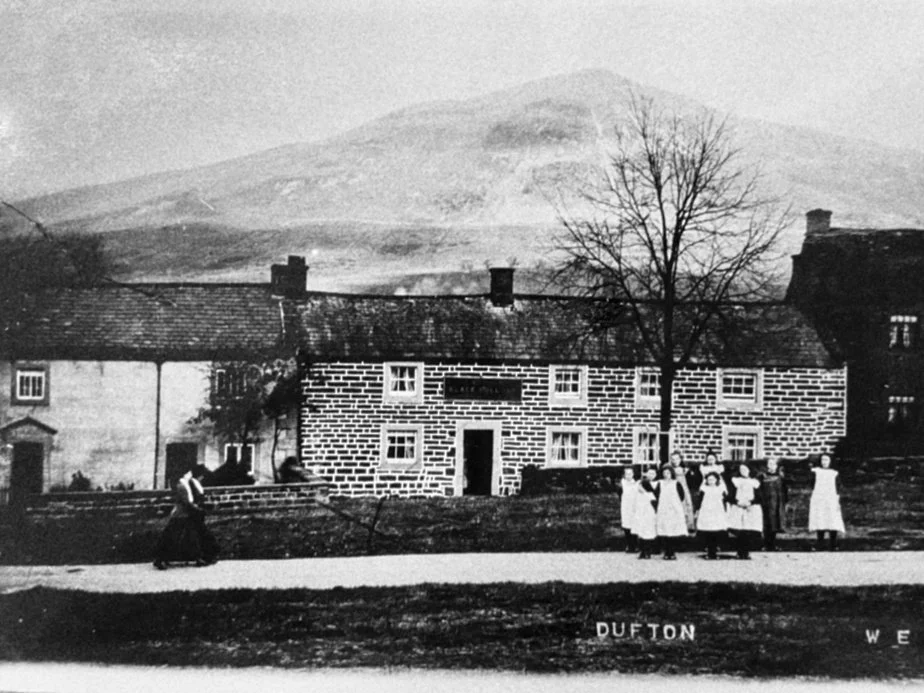
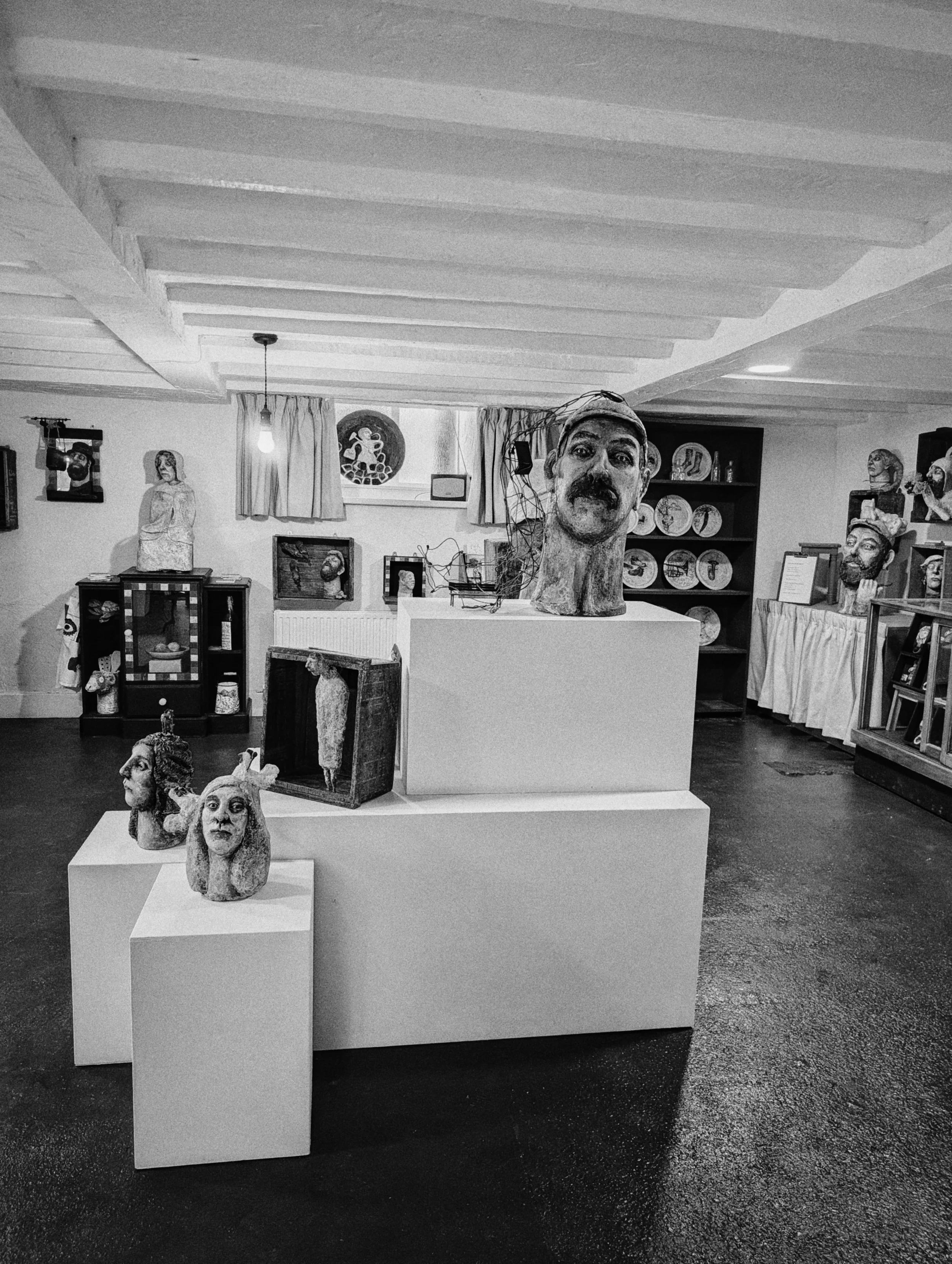
The Dufton Hoarde is a site-based artwork by Dawn Hurton, installed in part of the former Black Bull Inn in Dufton, Cumbria.
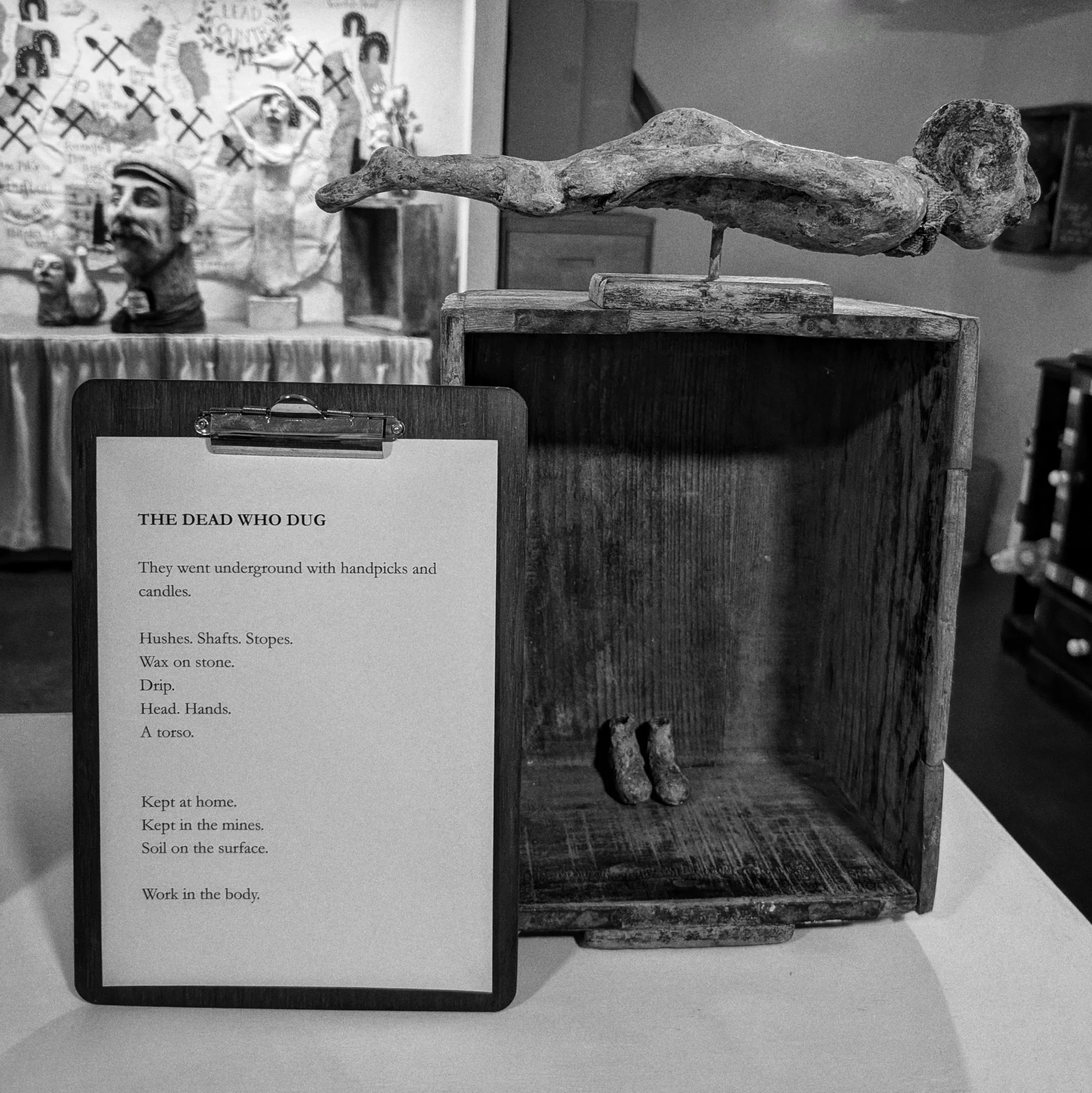
It contains hand-formed sculpture, fragment texts, Public Registers, moving image, labels, notices and the administrative structures of an imagined museum.
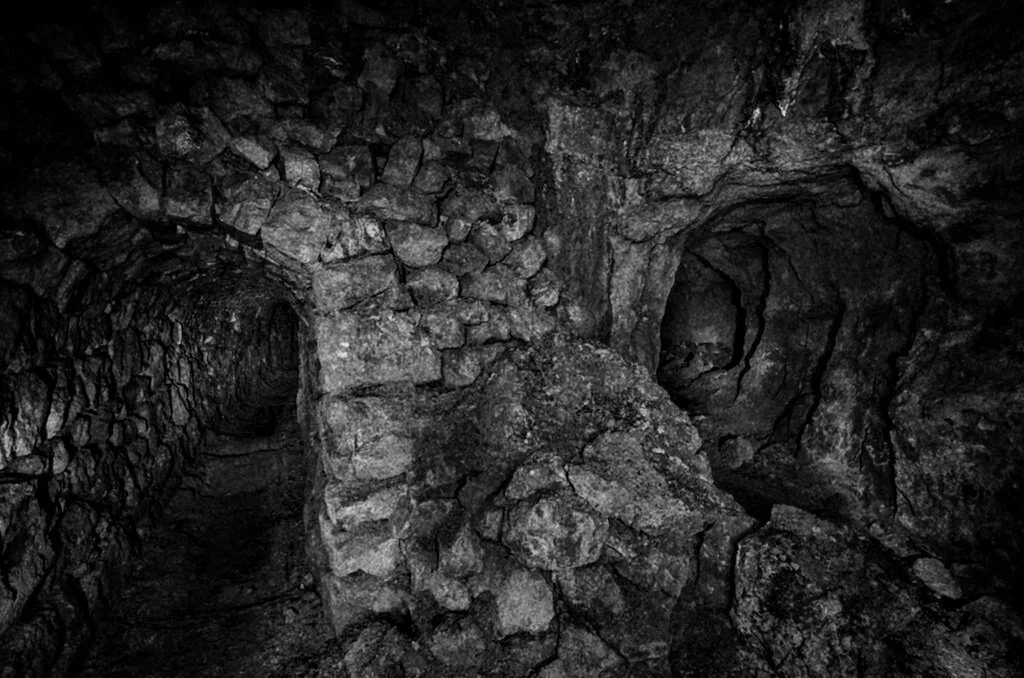
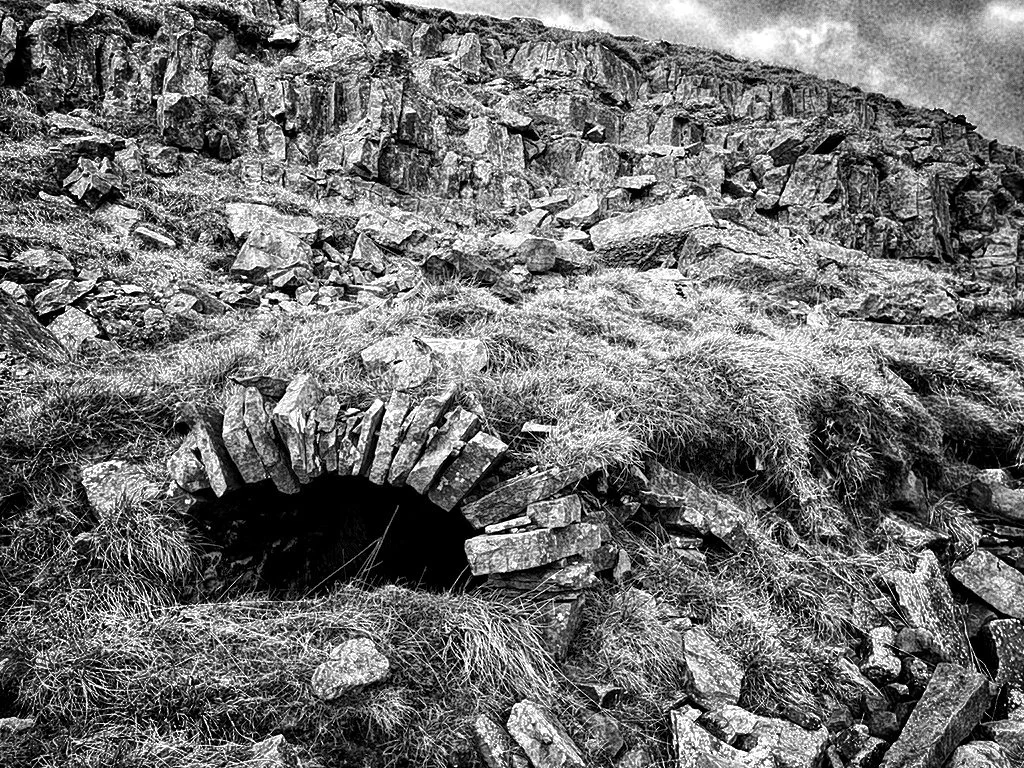
The work is rooted in the lead-mining villages and worked landscape of Dufton, Knock, Hilton and Murton. It has developed through making, walking, reading and returning.
The figures were made here. They are not historical artefacts.
The records move between observation, research, speculation and museum procedure. Some entries settle. Others remain unverified.
The gaps remain in the record.
THE COLLECTION
The collection is formed from sculpture and text.
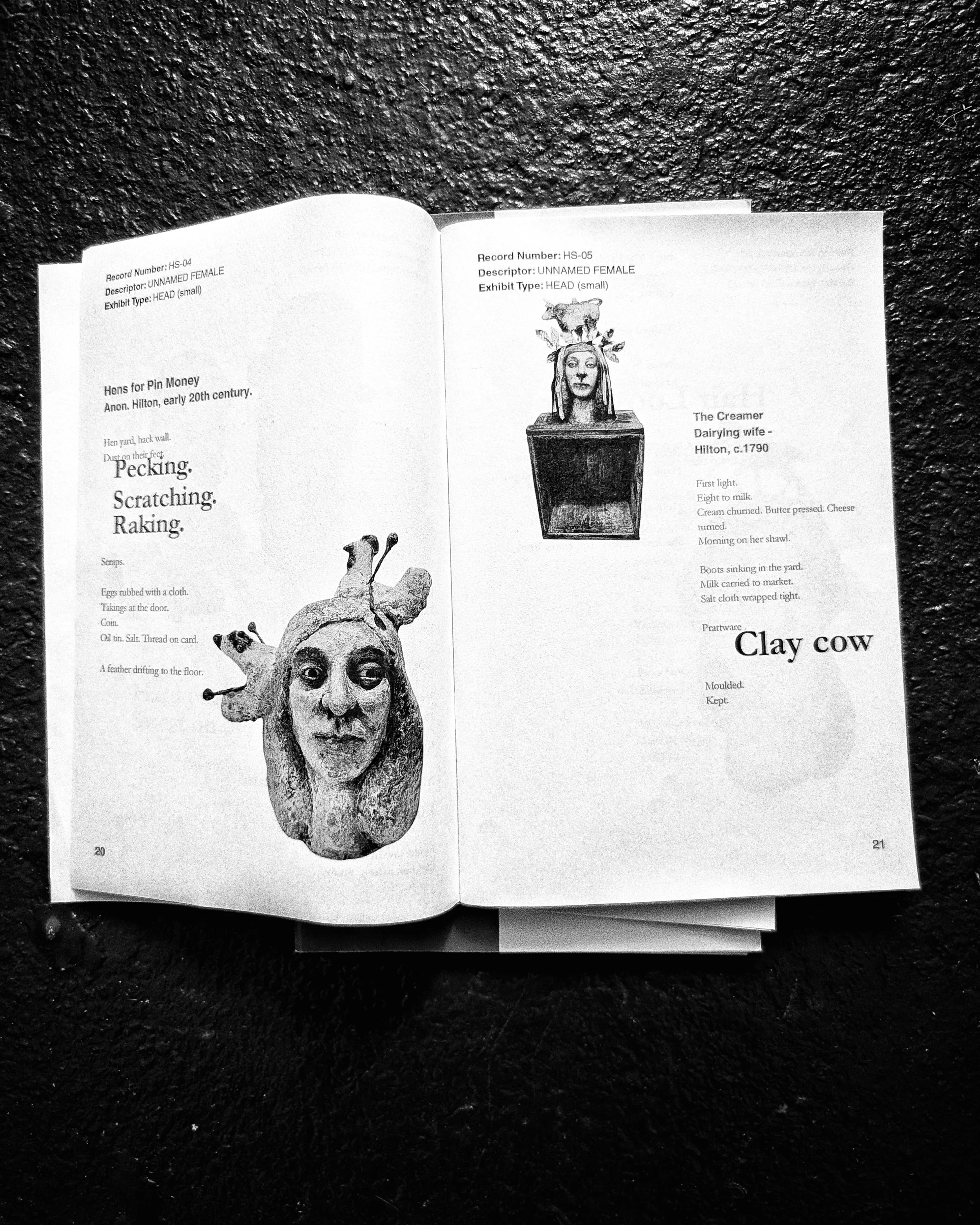
The figures do not reconstruct named historical people. They occupy the rooms as presences. Fragments, classifications and uncertain histories gather around them.
The texts form a second body of work. Names, weather, labour, departure, illness, domestic work and landscape appear in incomplete records.
Visitors move between object, text and absence.
MATERIAL AND LANDSCAPE
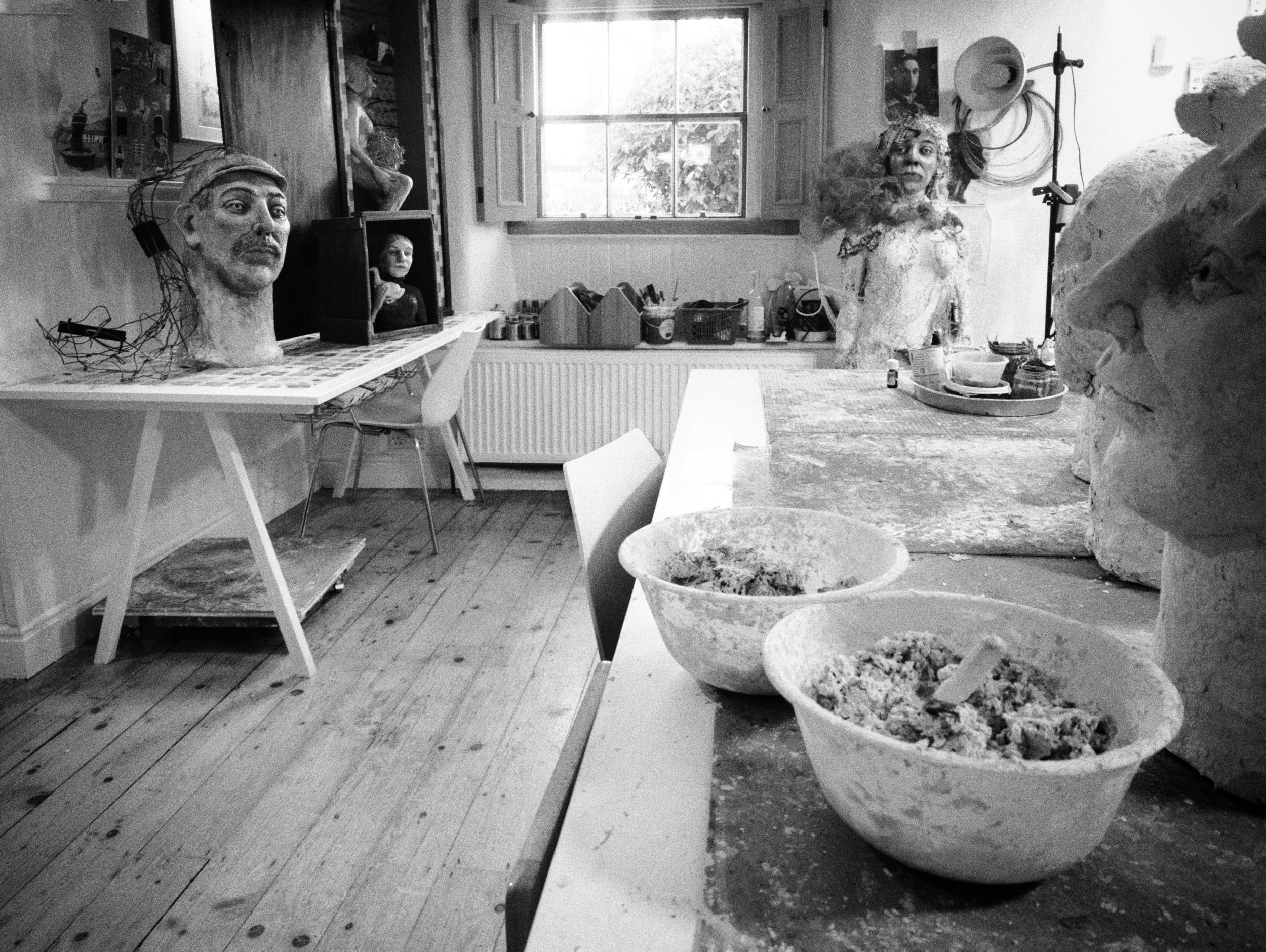
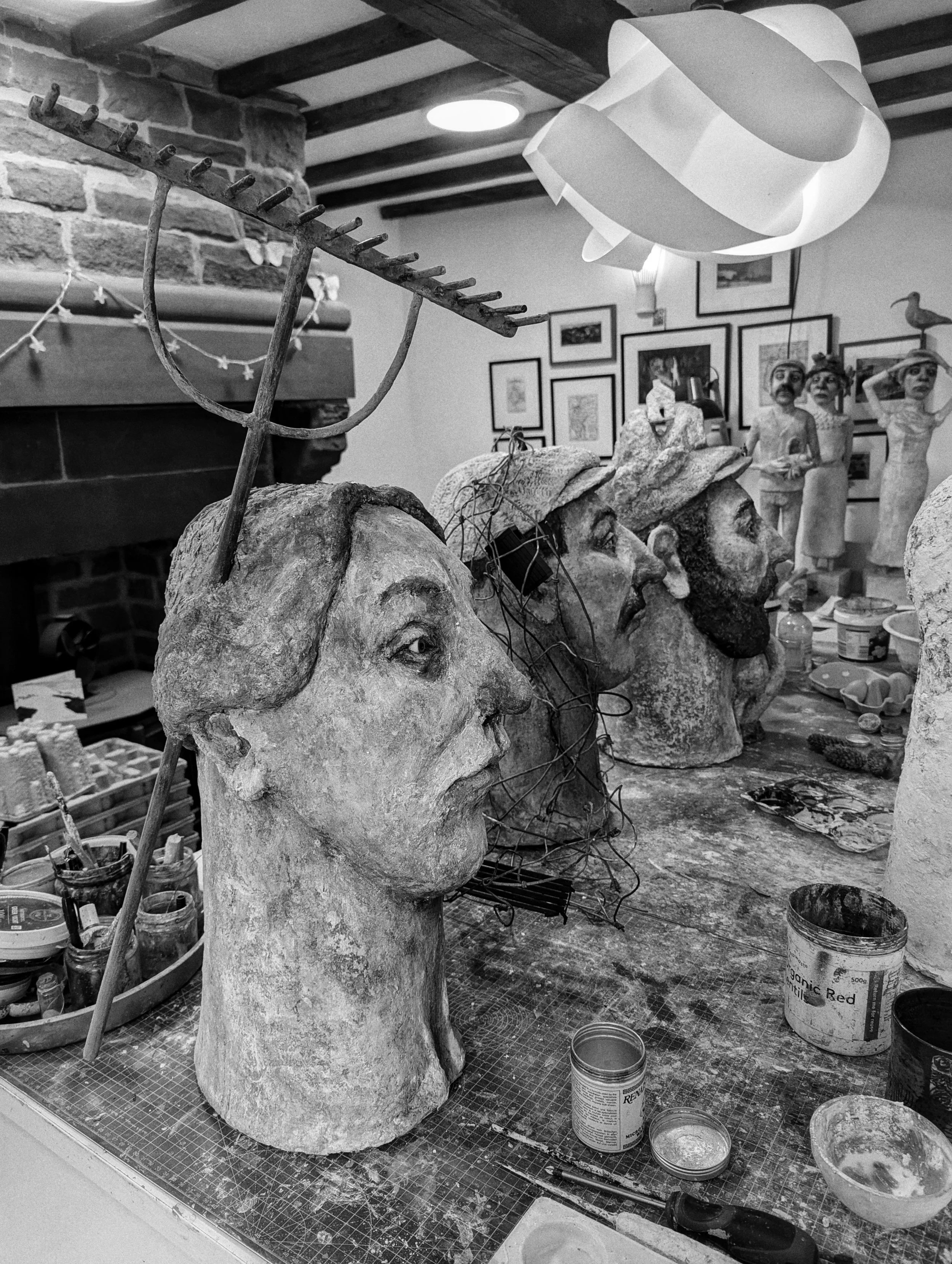
The sculptures are made from rag pulp, linen and cotton fibre, plant material, sheep wool, pony hair, earth pigment, limestone dust and barytes gathered from former mining ground.
The material is mixed, pressed, dried, warped, cut, scored and handled again.
Weight, fracture, fibre, stain and resistance enter the work.
The figures look old.
They are not old.
THE PUBLIC REGISTERS
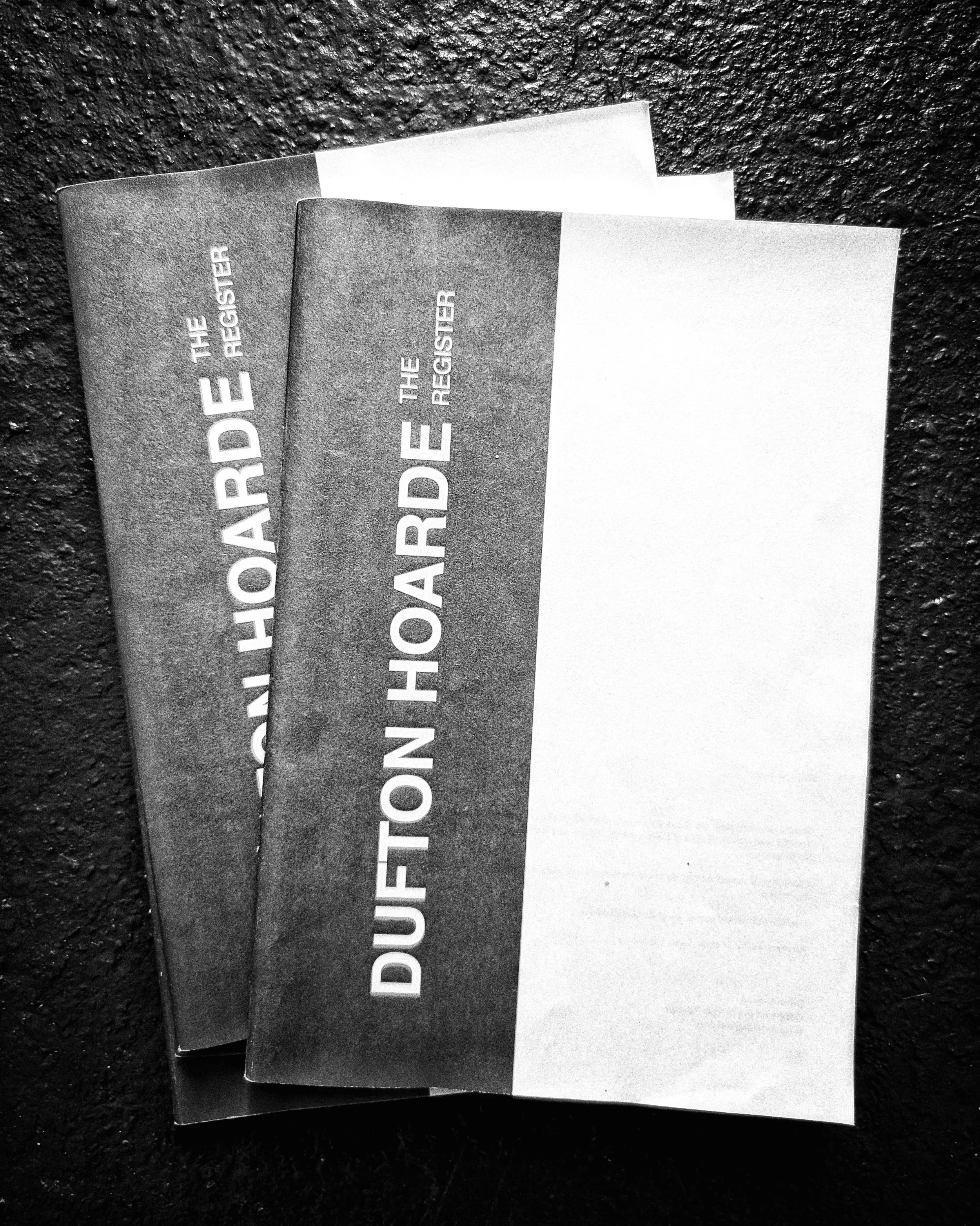
The Public Registers hold the fragment texts and classifications of the Hoarde.
Entries are numbered, amended and sometimes left unresolved. The identification of a person may be confirmed while a place remains disputed. A description may change while the object does not.
The institutional system is part of the artwork. Catalogues, condition reports, accession language and incomplete classifications give the museum its authority.
They also show where that authority fails.
THE KEEPER'S ROOM
The Keeper’s Room is the entrance to the museum and Dawn Hurton’s working room.
Registers can be consulted. Fragments are wrapped and returned. Materials wait on the table. Records remain under observation.
The Keeper’s film follows the practice from which the Hoarde emerged: walking, gathering, reading, making and looking again.
ENCOUNTER THE HOARDE
The Dufton Hoarde is encountered through timed visits and small-group bookings.
The rooms are intimate. Time is allowed for looking, reading and consulting the Public Registers.
ENTER SLOWLY.
THE RECORD REMAINS OPEN.